The New Architecture of Memory
Modern Heritage—the movement reshaping how America's most considered interiors are being conceived, isn't about the past. It's about permanence.
And in 2026, it has never felt more urgent.
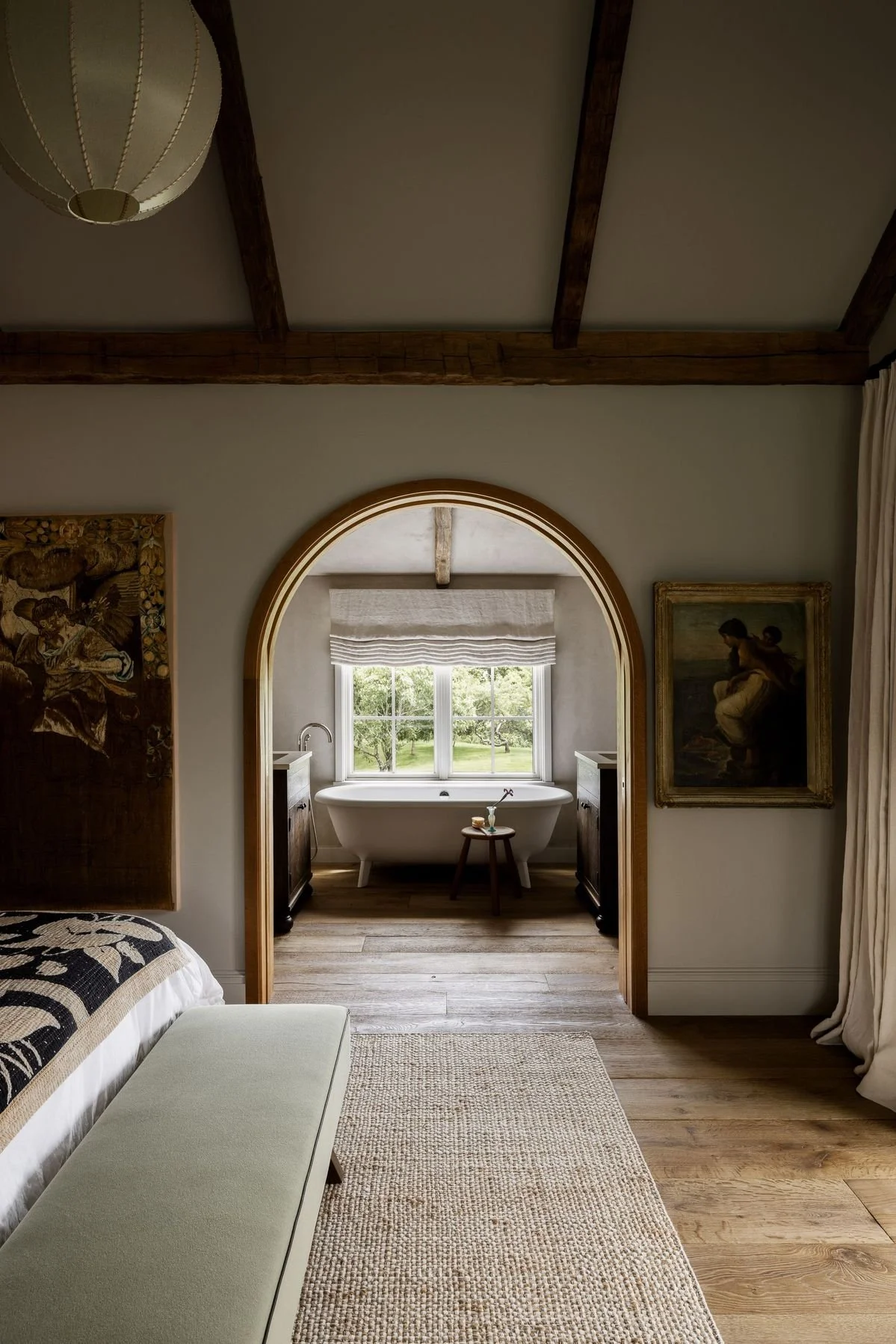
VIA HOUSE AND GARDEN
There’s a room you’ve been in where the air feels different. The ceiling has weight. The walls have depth. The joinery is precise in a way that registers somewhere beneath conscious thought. You don't immediately know why the space commands respect. You simply know that it does.
That quality—architectural gravitas, earned rather than applied—is what the Modern Heritage movement is chasing. And increasingly, it is what the most discerning clients in residential and multifamily design are asking for by name, or rather, by feeling: they want spaces that seem to have always existed.
At No15 Studio, it is a sensibility we have long considered central to the practice. The movement now has a name, a cultural moment, and a design vocabulary precise enough to execute at scale. The timing, for those paying attention, could not be better.
A Correction, Not A Revival
To call Modern Heritage a revival would be to misunderstand it. It does not reconstruct the past. It does not cosplay Georgian England or Beaux-Arts Manhattan. What it does more subtly, and more durably, is import the logic of those periods into contemporary construction: the conviction that architecture should carry its own argument, that a room should do significant work before a single piece of furniture arrives.
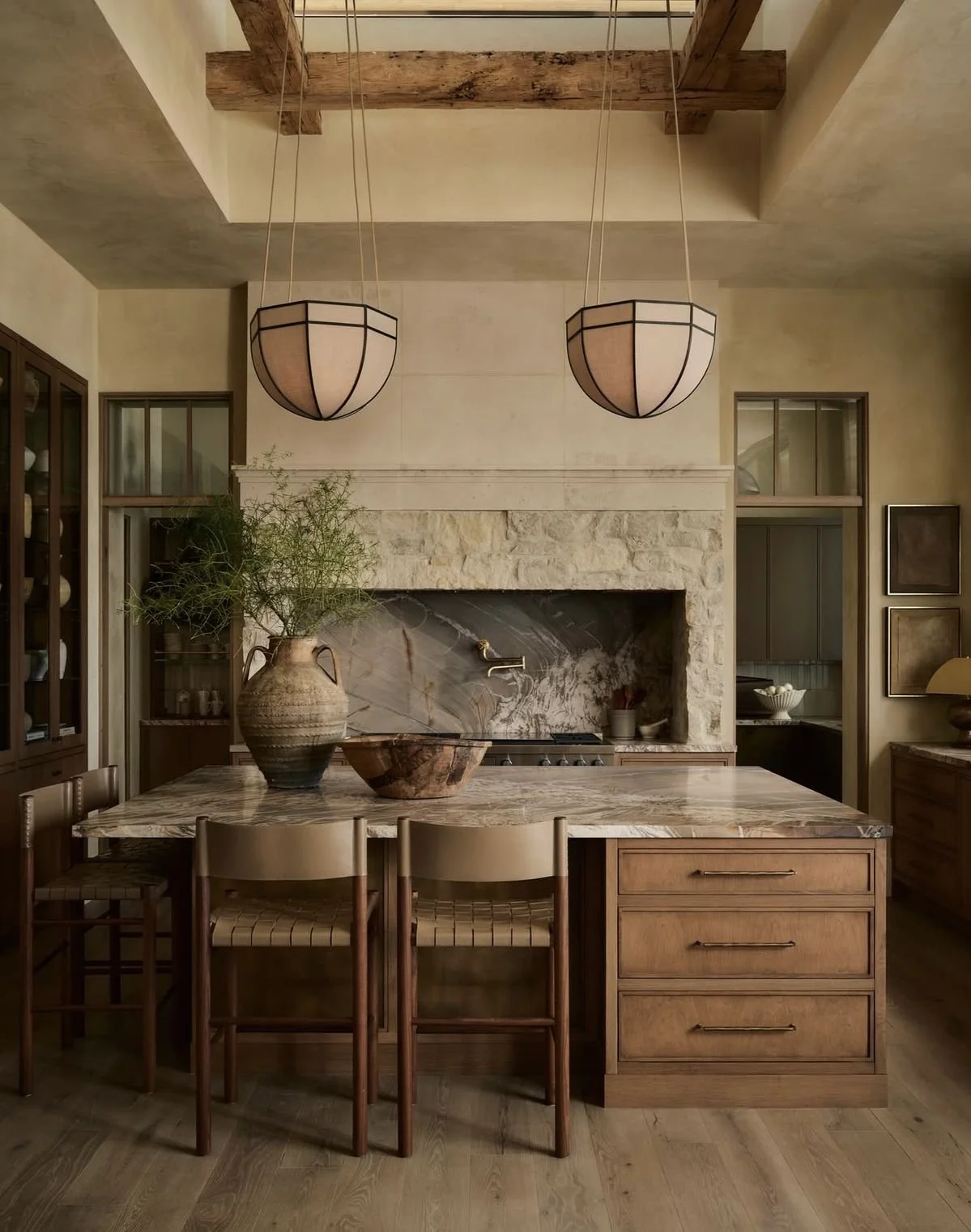
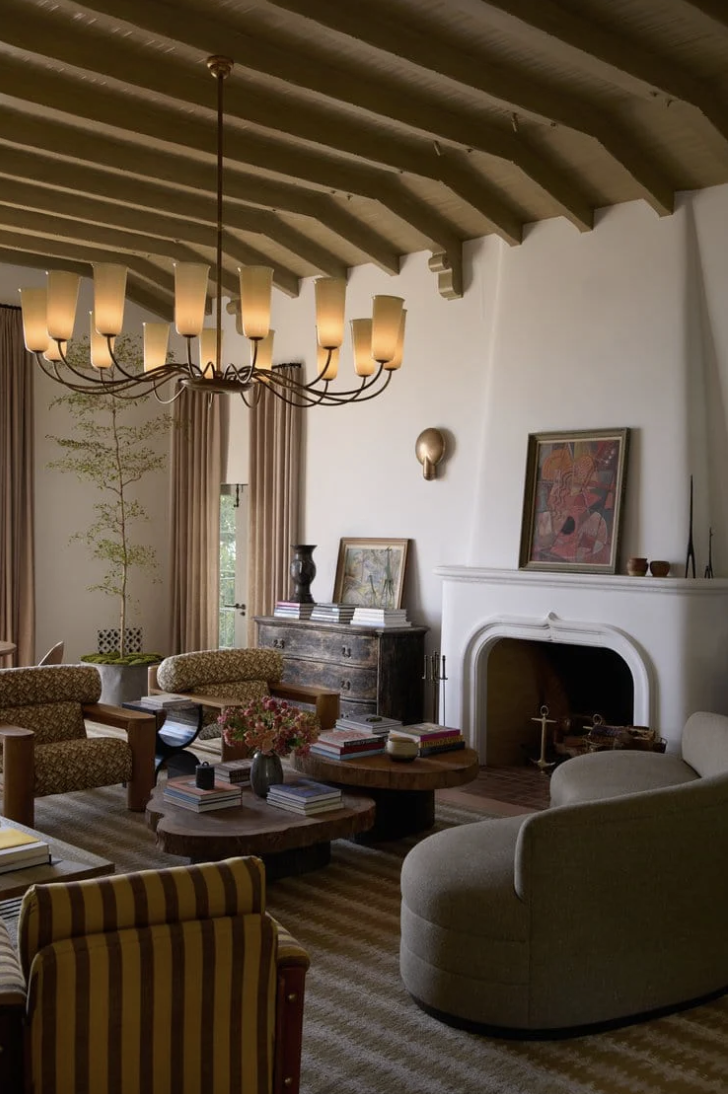
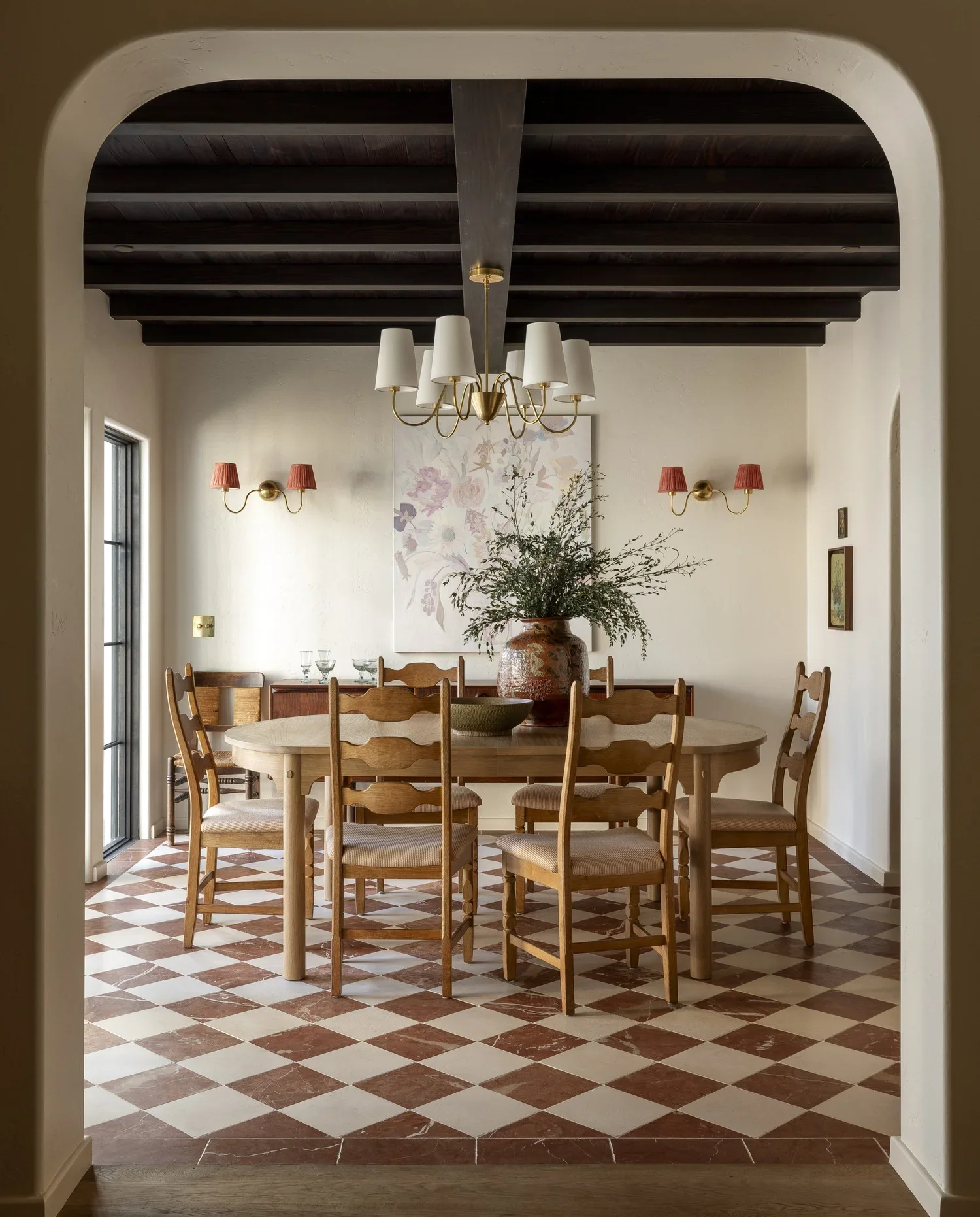
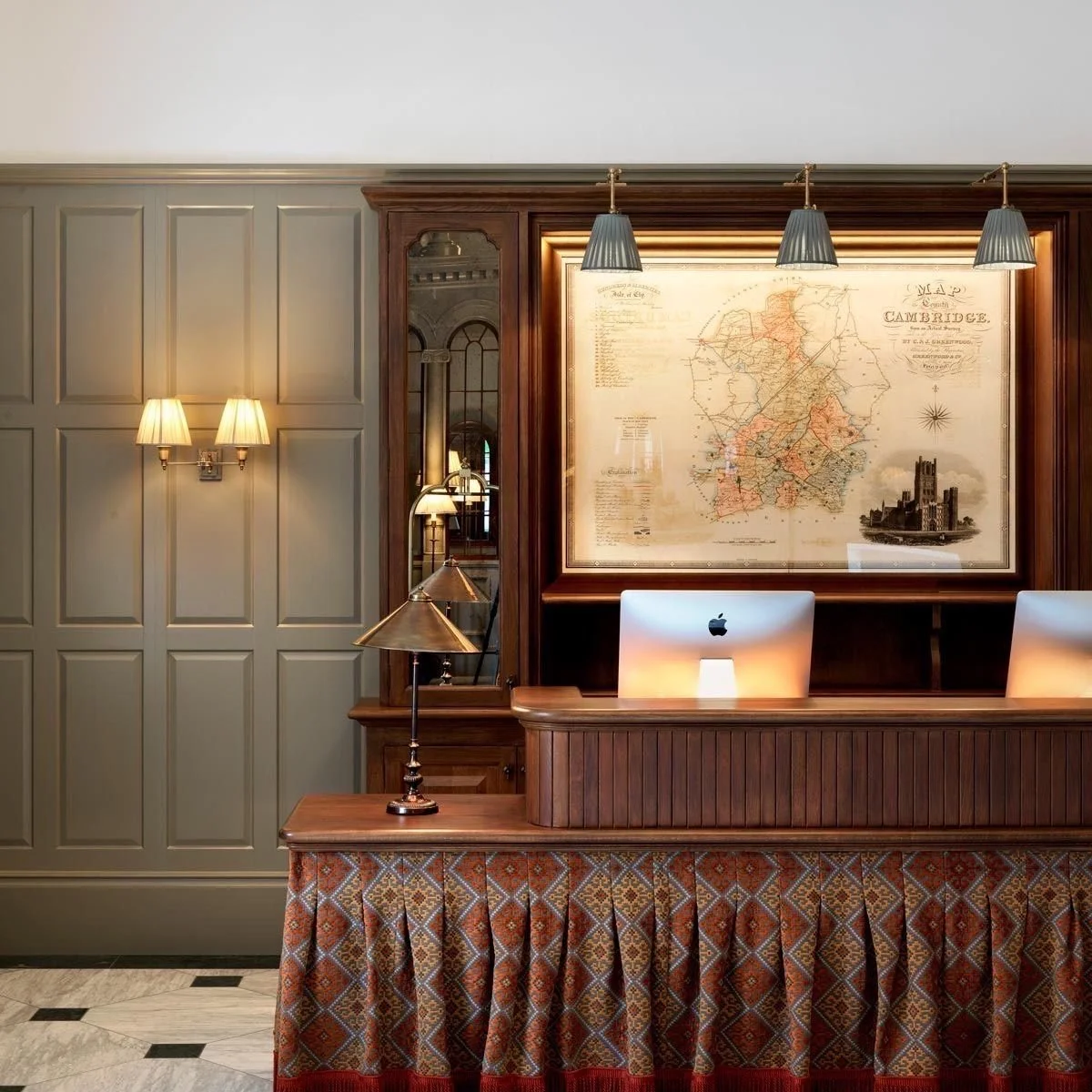
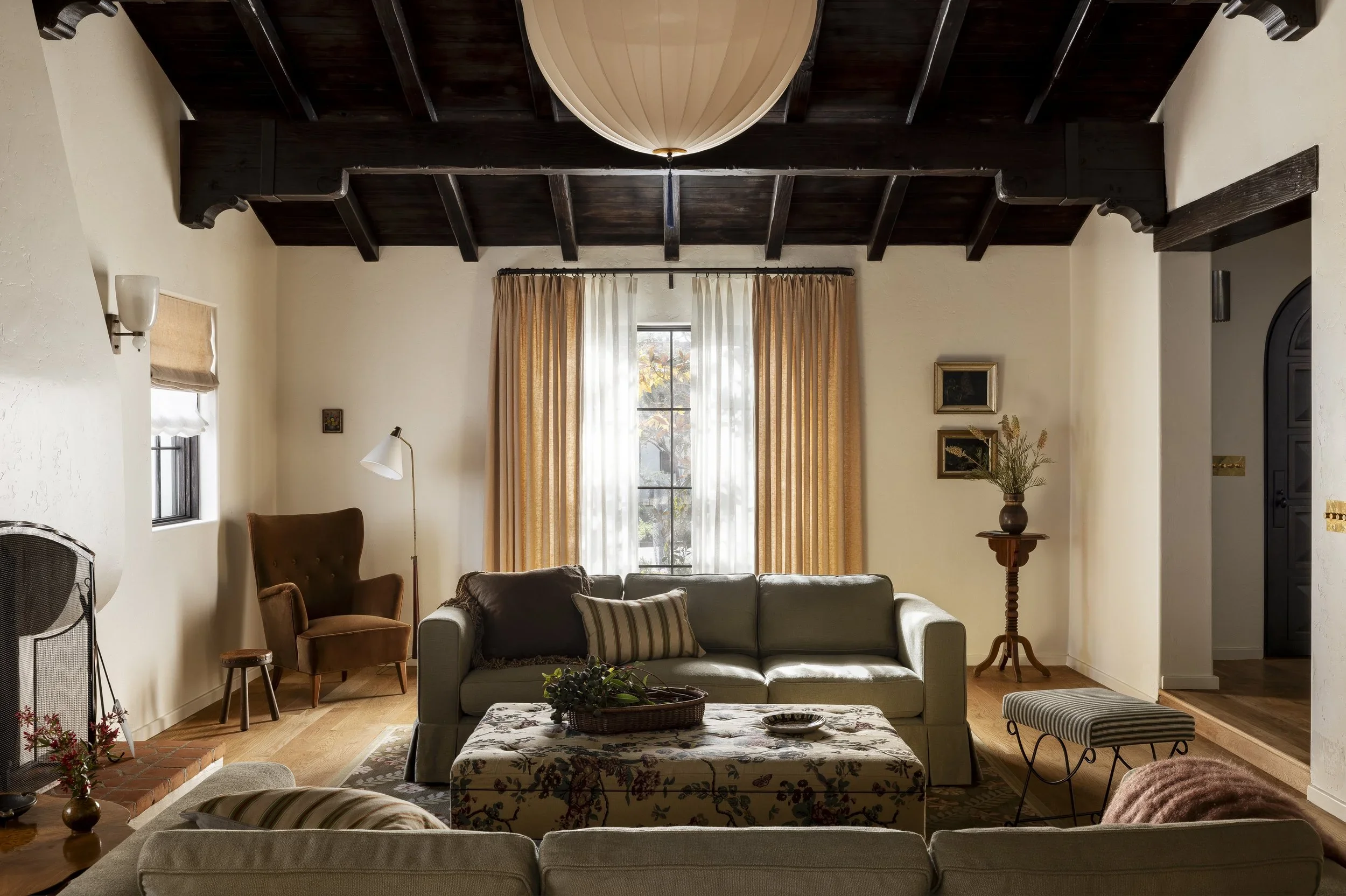
The formal vocabulary is classical but restrained: inset cabinetry with its satisfying flush reveals; deep-profile crown moldings that draw the eye upward and hold it there; paneled walls that give a room vertical rhythm; coffered or beamed ceilings that lower a space into intimacy. Against these bones, the contemporary layer arrives—current hardware in unlacquered brass or satin nickel, upholstery in textural modern fabric, lighting that is unambiguously of this moment.
The result is a productive tension. The room looks as though it has been slowly assembled over decades, yet reads as entirely intentional. It is the aesthetic equivalent of a well-worn library: nothing new, and yet nothing dated.
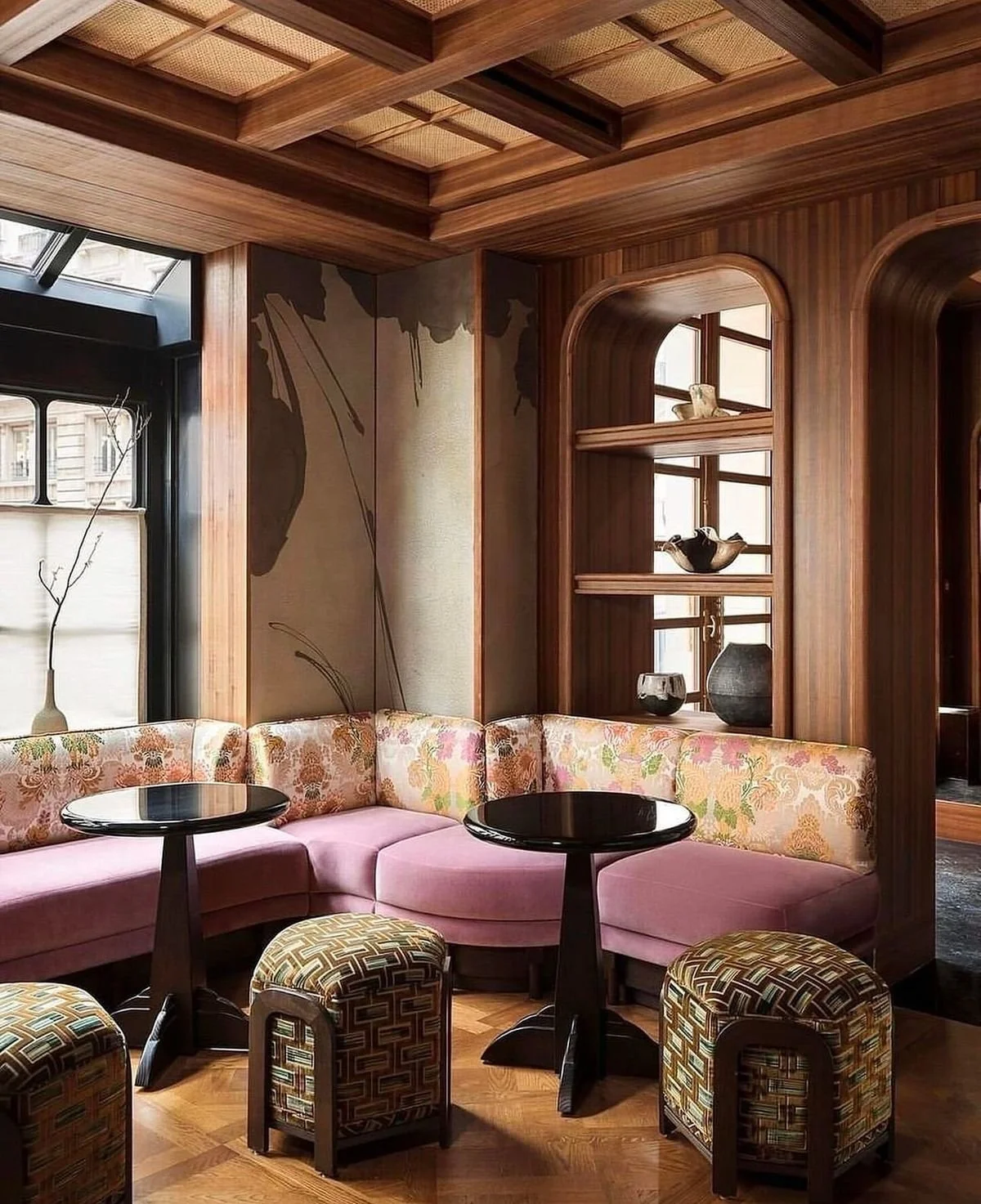
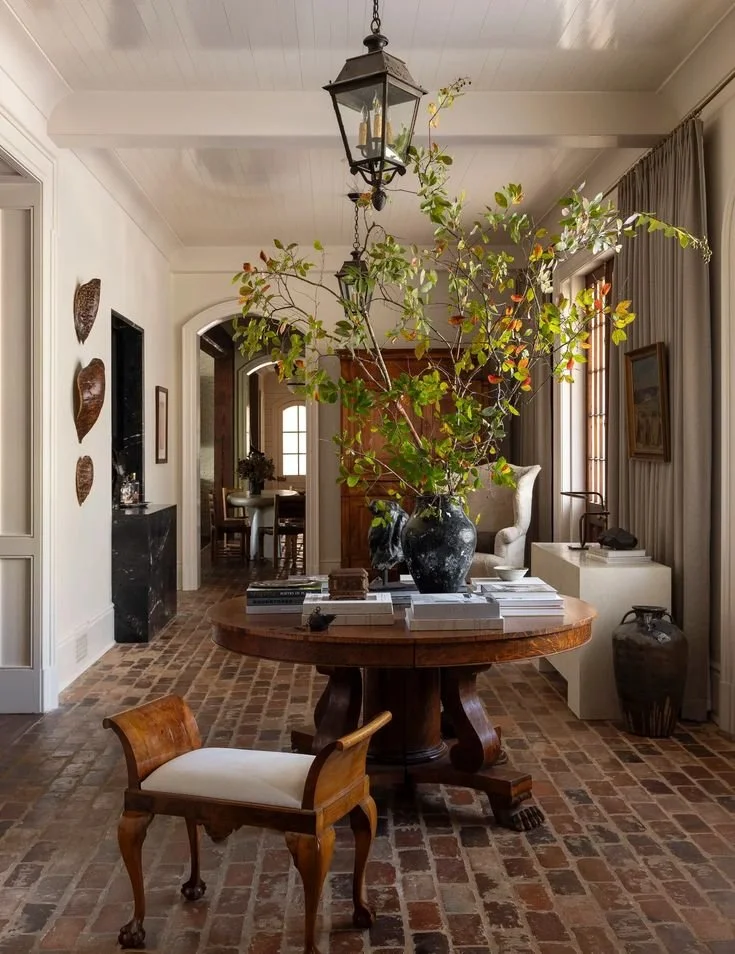
"We are not trying to recreate the past. We are trying to build spaces that feel like they have one."
What The Materials Are Doing
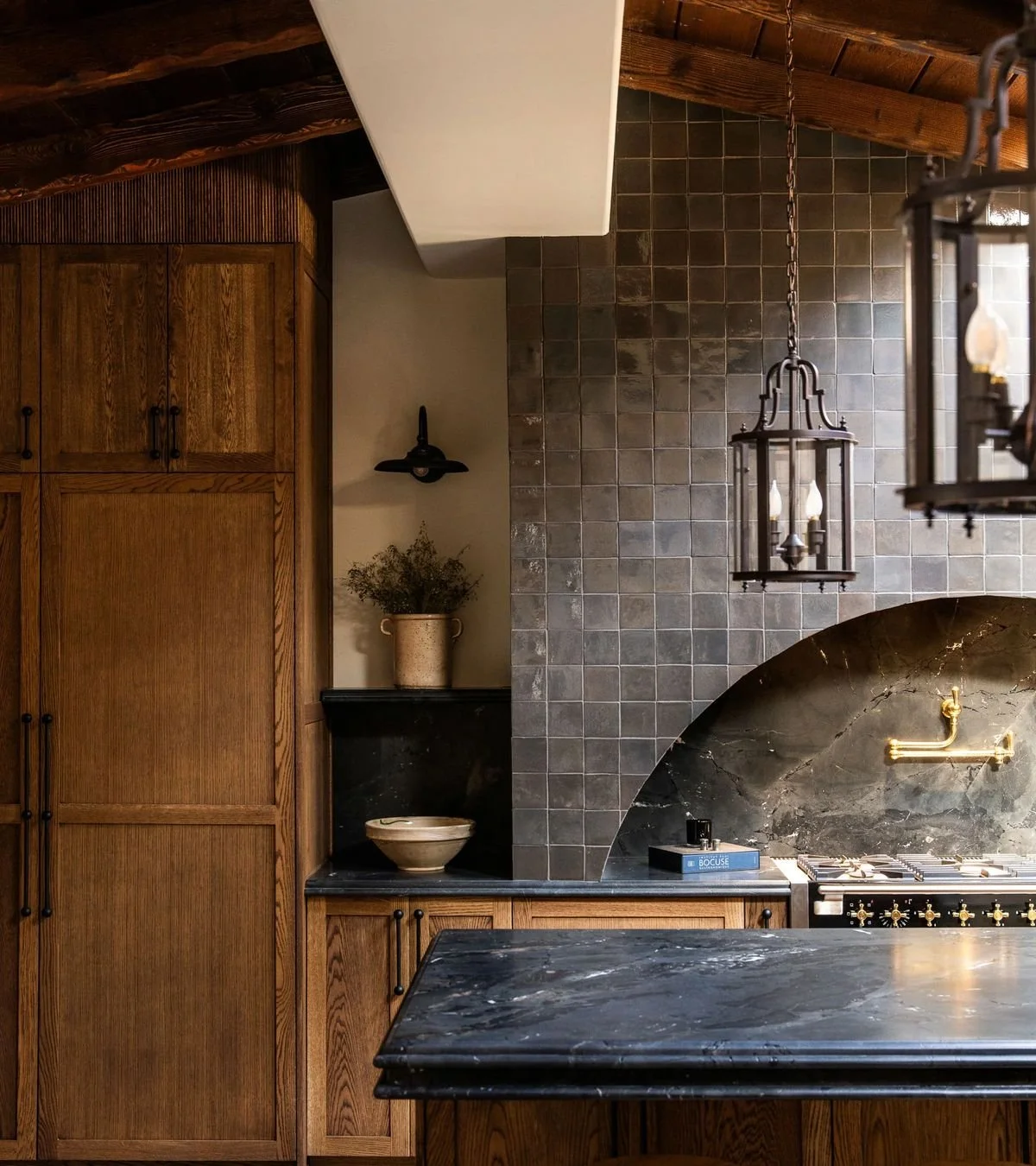
The material palette of Modern Heritage is, above all, a palette of honesty. Stone is selected for visible movement—the drama of a deeply veined marble, the quiet authority of honed limestone. Wood is celebrated for its grain, often left minimally treated, often mixed across tones in a room: a white oak floor beneath walnut case goods beneath painted millwork, each layer adding warmth without matching, the whole achieving a depth that single-finish interiors cannot approximate.
Metals are chosen for their capacity to age. Unlacquered brass will develop its patina. Bronze will deepen. These are not flaws to be maintained against; they are the material's biography, accumulating alongside the lives being lived in the space. The alternative— the chrome finish that looks identical at installation and at year ten—offers a kind of permanence that is, paradoxically, characterless.
This preference for materials with a future as well as a past is among the most significant signals that Modern Heritage is a philosophy rather than a trend. Trends are chosen for photography. Philosophies are chosen for living.
The Case For Multifamily
The most consequential application of Modern Heritage principles may not be in private residences at all. It may be in multifamily design, where the decisions made at construction—the decisions that cannot easily be revisited, revised, or accessorized after the fact—determine whether a building will feel, a decade from now, like somewhere or like anywhere. At Hibner Design Group, our multifamily practice has made this understanding foundational. We have seen, across projects and markets, what separates the buildings that hold their cultural weight over time from those that are perpetually renovated against newer inventory. The answer is almost always architectural.
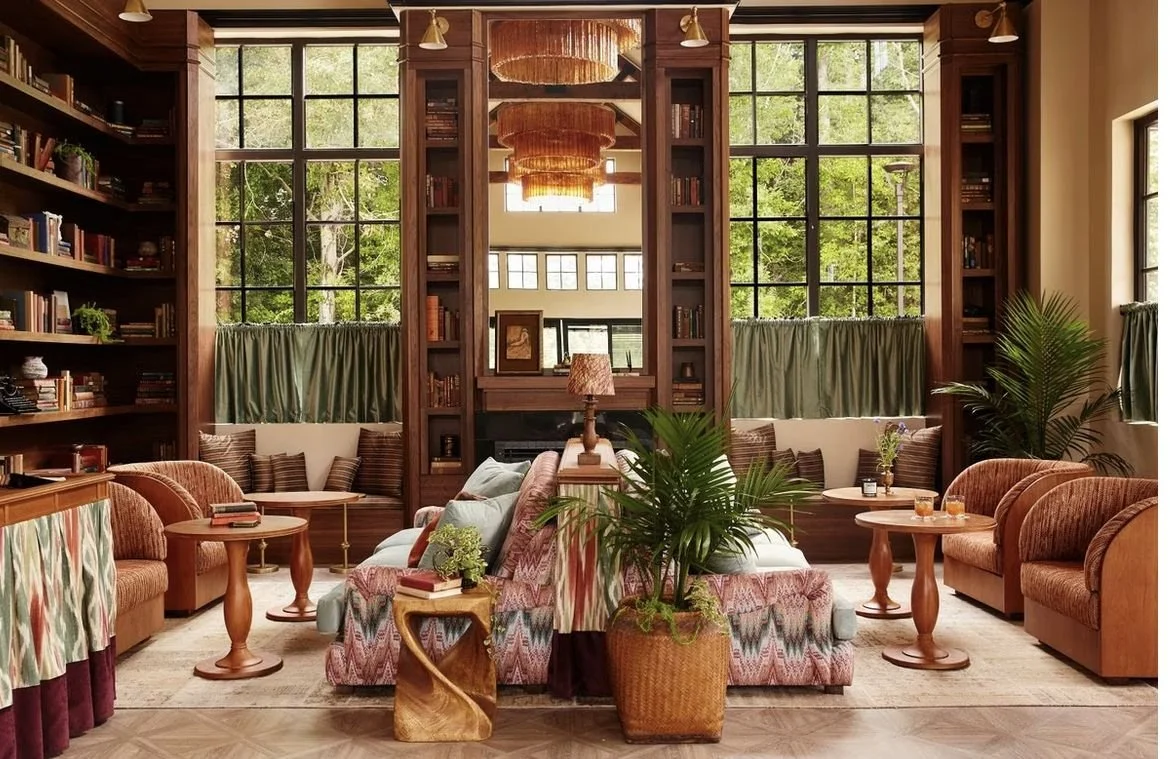
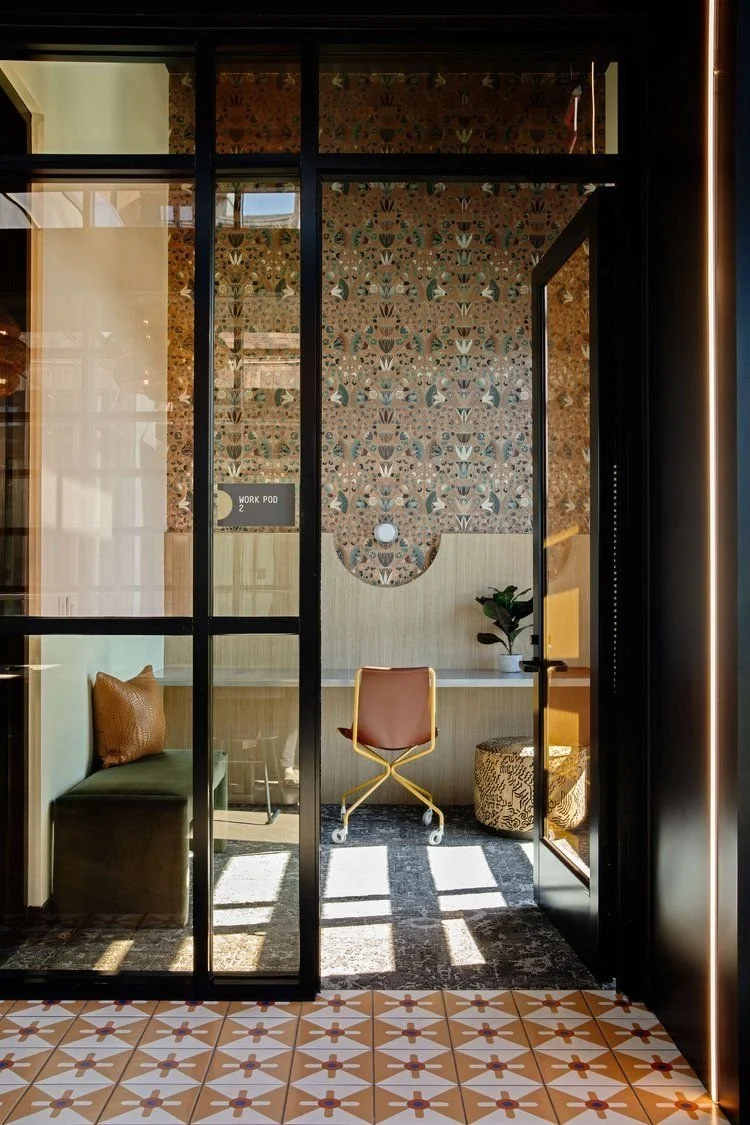
Architectural detail is the distinction. A lobby with coffered ceilings and inset millwork communicates investment in the permanence of the place. A corridor with deep-profile door casings and paneled wainscoting reads as considered. These are not extravagances. They are the infrastructure of atmosphere, and atmosphere, in multifamily, is what converts a prospect into a resident and a resident into a long-term tenant.
The buildings that hold their value, their occupancy, and their cultural cachet are almost invariably the ones that made architectural commitments early. The rest are renovated, rebranded, or perpetually discounted against newer inventory. The lesson is architectural as much as financial: build in the character, or spend the next decade trying to install it.
"Character cannot be accessorized into a space. It has to be built in."
On Permanence
There is a broader cultural logic to the moment Modern Heritage has chosen to arrive. After years of interiors designed primarily for their performance on a screen — spaces optimized for the scroll, the like, the save — a correction was inevitable. What renders well does not always live well. What photographs as minimal often feels, in person, as empty.
The spaces that endure are those designed with the understanding that a room is not an image. It is a volume of air that people move through, rest in, and return to. It accrues meaning over time. It should be built to accommodate that accumulation — not to resist it.
Modern Heritage, at its most essential, is a design philosophy built around that understanding. The millwork will outlast the moment. The stone will develop its patina. The inset cabinets will still be beautiful when the hardware has been changed twice. That is not nostalgia. That is architecture doing what architecture is for.
See more and explore what other designs are inspiring us
on our instagram @no15byhibner.